Eating Right: Everyday Hummus and Chocolate Chip Banana Bread

Two Healthy Recipes from Our Partners at Morris Hospital and Healthcare Centers
In celebration of National Nutrition Month, staff from Morris Hospital’s Nutrition team visited the Morris Community YMCA last week and shared healthy recipes and samples with members. If you missed the opportunity to sample one of these healthy snacks, be sure to check out these easy-to-follow recipes to try at home!
Everyday Hummus
Cook time: 20 minutes
Yield: 7 servings
PREHEAT THE OVEN TO 400 DEGREES (IF TOASTING YOUR OWN PITA CHIPS)
MAKE THE HUMMUS:
• 2 garlic cloves (or 1/2 tsp garlic powder)
• 1 (15 oz) can garbanzo beans (or chickpeas, no salt added, rinsed and drained)
• 2 Tbsp lemon juice (juice from one small lemon)
• 1/4 cup tahini paste
• 1 Tbsp olive oil
• 2 Tbsp plain nonfat Greek yogurt
• 1/4 tsp ground cumin
• 3/4 tsp salt (or 1/4 tsp if canned beans contain salt)
Add to a food processor or blender along with 2 Tbsp of water. Blend for up to a full minute or until mixture reaches desired smoothness. (Add 1-2 Tbsp more water if hummus is too thick.) Transfer to a bowl for serving.
ADD TOPPING (OPTIONAL):
• 1 tsp olive oil (OPTIONAL)
• 2 tsp pine nuts (toasted, OPTIONAL)
• 1/8 tsp paprika Drizzle oil over the hummus, then garnish with nuts and paprika, if desired.
TOAST PITA CHIPS (OPTIONAL):
• 4 whole grain pitas (gluten-free if desired, cut into triangles for serving)
Place on a large baking sheet in a single layer. Bake for 5 minutes, and then remove from the oven and toss to stir. Return to the oven and bake 3-5 minutes more, or until toasted and browned. (You can continue to bake in 3-5 minute increments until you reach your desired crispy crunch.)
SERVE AND ENJOY!
• 1 red bell pepper (seeded and sliced)
• 1 cup baby carrots
• 1 cucumber (sliced)
• 8 radishes (sliced) Surround hummus with veggies or toasted pita chips and serve.
QUICK TIPS
This recipe is just the right amount for a normal to a small-sized food processor (such as a Mini Ninja). However, if you are using a larger machine, double the recipe so the smaller amount is not hard on the machine. You will love the planned-overs!
Tahini paste is a puree made from sesame seeds. It can be found in the Asian section of the store and works great in homemade hummus and dressings.
NUTRITION INFORMATION FOR ONE SERVING
(1/4 CUP HUMMUS WITH OIL AND NUT TOPPING, WITHOUT VEGGIES AND PITAS)
Calories: 145, Fat: 8 g, Saturated Fat: 1 g, Total Carbohydrate: 13 g, Fiber: 3 g, Sugars: 1 g, Protein: 5 g, Sodium: 185 mg
Chocolate Chip Banana Bread
Cook time: 40 minutes
Yield: One loaf or 12 muffins
PREHEAT THE OVEN TO 350 DEGREES
BLEND FIRST:
• 2 cups old fashioned rolled oats
• 1/4 cup ground flax seed
• 2 tsp baking soda
• 2 tsp ground cinnamon
• 1/2 tsp sea salt Add to a food processor or blender and blend until oats are a flour-like consistency.
Remove from the food processor and transfer to a large bowl.
BLEND BANANAS:
• 3 bananas Add to the food processor and blend until smooth.
ADD NEXT:
• 1 egg
• 2 tsp vanilla extract
• 1/4 cup vegetable oil (or coconut oil, melted)
• 1/2 cup sugar (cane or coconut sugar)
• 1/3 cup plain Greek yogurt (nonfat) Add to the food processor with the bananas and blend about 15 seconds just until combined. Transfer to the bowl with the dry ingredients and stir until evenly combined.
ADD LAST:
• 1/4 cup shredded unsweetened coconut
• 1/2 cup dark chocolate chips (or semi-sweet, regular or mini)
Add to the bowl (reserving a few chocolate chips for the top of the bread) and stir until evenly combined. Pour the batter into a loaf pan or into 12 muffin cups. Sprinkle reserved chocolate chips on top of the batter. Bake 45-55 minutes for the loaf or 18-20 minutes for the muffins. They are done when a knife or toothpick inserted in the center (not by a chocolate chip!) comes out clean.
SERVE AND ENJOY!
NUTRITION INFORMATION FOR ONE SLICE (1/12TH OF LOAF) OR ONE MUFFIN
Calories: 225, Fat: 10.5 g, Saturated Fat: 3.2 g, Total Carbohydrate: 31 g, Cholesterol: 16 mg,
Fiber: 3.5 g, Sugars: 18 g, Protein: 4 g, Sodium: 285 mg
Celebrating National Nutrition Month
Helping You Live Better: Warning Signs of a Heart Attack
Take action to help keep your heart healthy this February during American Heart Month.
Every year, nearly 735,000 Americans have a heart attack. With heart disease being the leading cause of deaths in the United States, it’s important to recognize and understand the warning signs and symptoms of a heart attack. And, while a heart attack can happen at any time, the cold winter months make for a dangerous time for those at risk of a heart attack.
Our partners at Morris Hospital and Healthcare Centers along with Dr. Syed Ahmed, a board-certified cardiologist with Morris Hospital Cardiovascular Specialists, provide insightful details on this life-threatening event.
According to Dr. Ahmed, multiple things occur in your body when you do a vigorous activity outside during the winter.
“Exercising makes your heart rate go up, lifting snow can increase your blood pressure and breathing in the cold air causes a lot of stress on your lungs,” said Dr. Ahmed. “These three stressors result in a lot of strain on the heart, which can lead to the rupture of plaque in blood vessels.”
Dr. Ahmed explains that heart attacks result from blockages in the coronary arteries. Plaque composed of cholesterol, fat and other substances develops over time along the inside of the arteries that supply blood to the heart. Many different factors can lead to plaque ruptures such as stress, anxiety and physical activity, among many others. Having a heart attack can damage or destroy heart tissue, so it’s critical to receive quick medical intervention. 
Identifying the warning signs of a heart attack will help to save your life or a loved one’s life during a cardiac event. Dr. Ahmed says the most common symptom of a heart attack is discomfort, pain or pressure in the chest that lasts more than a few minutes. It is also possible for the feeling to leave and return. If you experience pain between your shoulder blades, neck or jaw or in one or both of your arms, this may be a sign of a heart attack. Perhaps one of the most unsettling symptoms is having no pain at all.
“Some people having a heart attack experience no pain, but they might become weak, lightheaded, short of breath, nauseated, or break out in a cold sweat,” said Dr. Ahmed.
Those who experience any of these symptoms or feel as though they are having a heart attack should seek medical attention immediately. Waiting hours before calling 911 or going to your local emergency room can lead to extensive, permanent damage to your heart.
“You might not think you’re having a heart attack,” said Dr. Ahmed, “but the best thing to do is go to the emergency room. You’re not burdening anyone. We are here to save your life.”
Upcoming Youth Sports Clinics
Futsal
Futsal is a soccer-like sport that’s played indoors, only with a smaller ball. Open to grades 3-8, this introductory program is great for both new players and soccer players who want to improve their footwork during the offseason.
JOIN US
Led by Morris High School Soccer Coach David Valdivia, this program will meet twice a week. On Monday evenings, Valdivia will lead players through skill-focused practices. Saturdays will be gameplay-focused, giving players a chance to use their skills during scrimmages.
Dates: February 25-March 23
- Grades 1-3: 5-6 p.m.
- Grades 4-6: 6-7 p.m.
- Grades 4-6: 7-8 p.m.
Practice Location: Morris Grade School
Game Location: Old Shabbona Middle School
*Excluding February 3 (Super Bowl Sunday)
Girls Competitive Basketball Clinic (Grades 3-8)
Morris High School Basketball Coach Luke Windy will be leading this competitive basketball clinic for girls in grades 3-8. Designed to help players prepare for higher levels of competition, the clinic will focus on key fundamental basketball skills.
Dates: Wednesdays, February 27-April 10*
Times: 6:30-7:30 p.m.
Location: Old Shabbona Middle School
*Excluding March 27
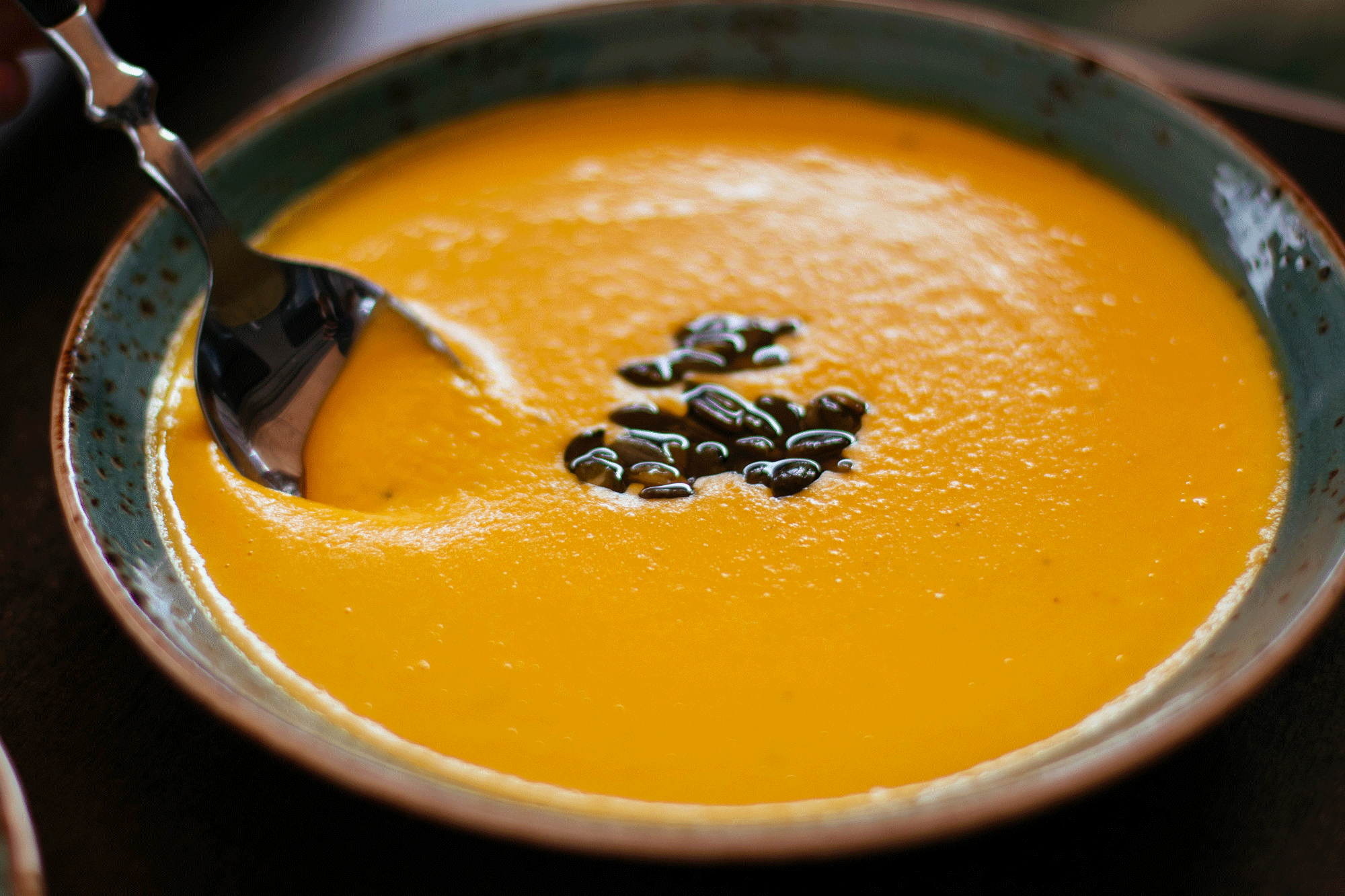
Eating Right: Quinoa Corn Chowder

A Healthy Recipe from Our Partners at Morris Hospital and Healthcare Centers
Cook Time: 20 minutes
Yield: 6 servings
Step One: Saute
- 1 Tbsp olive oil
- 1/2 yellow onion (diced)
- 1 red bell pepper (seeds and stem removed and diced)
- 3 garlic cloves (finely diced, or 3/4 tsp garlic powder)
Add oil to a large pot, or Dutch oven, over medium-high heat. Then add everything else and cook for 3 minutes, stirring often.
Step Two: Add Other Ingredients and Simmer
- 1 sweet potato (peeled if desired and diced into 1/2 inch pieces)
- 4 cups vegetable broth (low sodium)
- 2 cups frozen corn (or fresh, cut off the cob)
- 2/3 cup quinoa (uncooked)
- 1 tsp ground cumin
- 1/2 tsp smoked paprika
- 1/2 tsp sea salt
- 1/4 tsp black pepper
Add to the pot and bring to a boil. Reduce heat to medium and simmer for 15-20 minutes. (You want the sweet potato to be tender and the quinoa will be cooked after 15-20 minutes).
If you have an immersion blender, blend half of the soup. (You want the chowder to be creamy but still have a chunky texture which is why you only want to blend half of it). If you don’t have an immersion blender, add half of the soup to a food processor or blender, blend it, and then add it back to the pot.
Step Three: Serve and Enjoy
NUTRITION INFORMATION FOR ONE SERVING
Calories: 175, Fat: 4 g, Saturated Fat: 0.5 g, Total Carbohydrate: 32 g, Fiber: 4 g, Sugars: 5 g, Protein: 5 g, Sodium: 240 mg
- « Previous Page
- 1
- …
- 111
- 112
- 113
- 114
- 115
- …
- 120
- Next Page »
In celebration of National Nutrition Month, Morris Hospital & Healthcare Centers staff will be on-hand in the Morris YMCA lobby to share healthy treats and hand out nutritional recipes for you to take home.